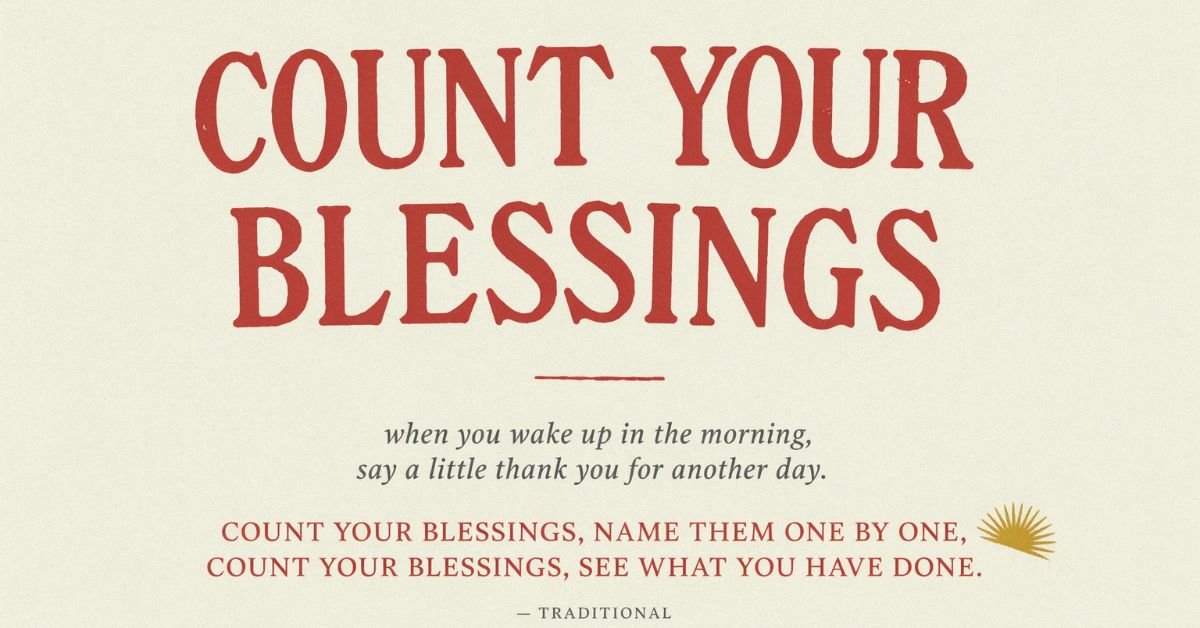
If you’ve been searching for the count your blessings lyrics, chances are you want more than just the words. This timeless hymn offers a message of gratitude, faith, and encouragement, reminding listeners to focus on life’s gifts instead of everyday struggles.
Many people revisit this classic gospel song during difficult seasons or moments of reflection. Its uplifting verses and memorable chorus have made it a favorite in church worship, hymn collections, and Christian music traditions for generations.
In this guide, you’ll find the complete lyrics, explore their meaning, and discover the inspiring message behind the hymn. You’ll also learn a few interesting details that many listeners often overlook.
Count Your Blessings Lyrics
- Every time life feels overwhelming, remember that gratitude changes perspective and helps you notice the countless gifts already surrounding you each day.
- A thankful heart often discovers peace faster than a worried mind because blessings become easier to see when appreciation grows.
- Counting blessings creates a habit of joy that can brighten ordinary moments and transform routine experiences into meaningful memories.
- Small victories deserve recognition because they remind us that progress continues even when major goals still seem far away.
- Family support during difficult seasons is a blessing that provides comfort, strength, encouragement, and lasting emotional security.
- Good health often goes unnoticed until challenges appear, making it one of the most valuable blessings worth appreciating daily.
- Genuine friendships offer laughter, understanding, and support that enrich life far beyond material possessions or temporary achievements.
- A peaceful morning can become a powerful reminder that simple blessings often create the greatest sense of happiness.
- Opportunities to learn and grow allow people to develop skills, gain wisdom, and build a brighter future.
- Kind words from others can leave a lasting impact and become unexpected blessings during challenging moments.
- Gratitude helps shift attention from what is missing to what is already present and valuable in life.
- The ability to overcome obstacles reveals inner strength and becomes a blessing that builds resilience and confidence.
- Every new day brings fresh possibilities, making each sunrise a reminder of hope and opportunity.
- Acts of kindness often return in unexpected ways, proving that generosity can become a blessing for everyone involved.
- Appreciating life’s simple gifts creates lasting contentment and helps cultivate a positive outlook regardless of circumstances.
Full Lyrics and Verses
- Many readers search for count your blessings lyrics because the message encourages gratitude, faith, and a deeper appreciation for everyday gifts.
- The verses remind listeners that focusing on positive moments can provide encouragement during uncertainty and emotional challenges.
- Each line reflects the importance of recognizing blessings that may otherwise be overlooked during busy daily routines.
- The song’s enduring popularity comes from its simple yet powerful message about gratitude and spiritual reflection.
- Listeners often connect with the hymn because its words remain relevant across different generations and life experiences.
- The themes found throughout the verses encourage reflection, appreciation, and a renewed sense of hope.
- Many people revisit the hymn during difficult seasons because its message provides reassurance and perspective.
- The lyrics emphasize that blessings can be found even when circumstances seem challenging or discouraging.
- Gratitude becomes easier to practice when people intentionally recognize the positive aspects of their lives.
- The hymn encourages believers to focus on abundance rather than constantly dwelling on problems or setbacks.
- Its memorable message continues to inspire worship services, personal devotion, and spiritual growth around the world.
- The song teaches that gratitude often reveals blessings that stress and worry can temporarily hide.
- Readers searching for hymn verses frequently appreciate the timeless wisdom shared throughout the composition.
- The enduring appeal of the hymn demonstrates how gratitude remains a universal and meaningful life principle.
- Reflecting on the message behind the verses can inspire a more thankful and optimistic approach to life.
Meaning Behind Count Your Blessings
- The central message encourages people to recognize the good things in life instead of focusing exclusively on difficulties.
- Gratitude serves as a practical tool for improving perspective and developing a healthier outlook during challenging situations.
- The hymn teaches that blessings often become more visible when people intentionally pause and reflect.
- Recognizing daily gifts can reduce negativity and increase appreciation for life’s meaningful experiences.
- The message promotes contentment by encouraging individuals to value what they already possess.
- Many listeners find comfort in the reminder that blessings exist even during seasons of hardship.
- The hymn highlights the connection between gratitude, faith, and emotional resilience in everyday life.
- Focusing on blessings can create greater awareness of positive relationships, opportunities, and personal growth.
- The song encourages reflection rather than comparison, helping people find satisfaction in their own journey.
- Its message remains relevant because gratitude continues to be a timeless source of encouragement and hope.
- The hymn suggests that appreciation can transform ordinary experiences into meaningful reminders of life’s goodness.
- Recognizing blessings often strengthens emotional well being and promotes a more balanced perspective.
- The song’s popularity reflects the universal desire to find hope and encouragement during uncertain times.
- Gratitude can inspire generosity, kindness, and stronger connections with family, friends, and communities.
- The overall meaning centers on discovering joy through appreciation rather than constantly pursuing more.
Story of the Hymn’s Creation

- The hymn emerged during a period when many people sought encouragement and spiritual reassurance amid life’s challenges.
- Its creation reflected a desire to provide hope through a simple message focused on gratitude and faith.
- The hymn quickly gained popularity because audiences connected with its practical and uplifting message.
- The straightforward language made the song accessible to people from different backgrounds and generations.
- Worship communities embraced the hymn because it encouraged reflection and positive spiritual habits.
- The song’s message resonated strongly with listeners seeking comfort during difficult personal circumstances.
- Its lasting influence demonstrates the power of simple truths expressed through memorable words and music.
- The hymn continues to inspire worshippers because gratitude remains a relevant and meaningful theme.
- Many believers appreciate the song for its focus on recognizing God’s blessings in everyday life.
- The hymn’s widespread use reflects its ability to communicate hope in a relatable and encouraging way.
- Generations have shared the song because its message remains applicable across changing cultural environments.
- The creation of the hymn highlights how timeless spiritual principles can connect with broad audiences.
- Its continued popularity demonstrates the enduring value of gratitude centered messages in Christian worship.
- The song’s history contributes to its significance within hymn traditions and faith communities worldwide.
- Learning about the hymn’s origins often deepens appreciation for its message and lasting spiritual impact.
Who Wrote Count Your Blessings
- The words were written by hymn writer and preacher Johnson Oatman Jr., whose work focused on faith, encouragement, and Christian living.
- His writing style emphasized practical spiritual lessons that listeners could easily understand and apply daily.
- Oatman became widely known for creating hymns that inspired gratitude, hope, and personal reflection.
- His contributions helped shape Christian music traditions that continue to influence worship today.
- Many of his hymns focused on strengthening faith through simple yet meaningful messages.
- His work remains respected because it combines spiritual depth with accessible language and themes.
- The enduring popularity of his hymns reflects their ability to connect with people across generations.
- Gratitude and encouragement frequently appeared throughout his compositions, making them relatable and memorable.
- His writing continues to inspire believers seeking hope and perspective during life’s challenges.
- Oatman’s legacy demonstrates the lasting impact thoughtful hymn writing can have on faith communities.
- His songs remain part of worship services, hymn collections, and personal devotional practices.
- Readers researching count your blessings lyrics often become interested in the writer behind the hymn.
- Understanding the author’s background can provide valuable context for interpreting the song’s message.
- His dedication to faith based writing contributed significantly to Christian hymn literature.
- The hymn remains one of his most recognized works because of its timeless encouragement toward gratitude.
Biblical Message in the Lyrics
- The hymn reflects biblical teachings that encourage believers to remain thankful regardless of circumstances.
- Gratitude is presented as an important spiritual practice that strengthens faith and trust in God.
- The message aligns with scripture emphasizing appreciation for God’s provision and guidance.
- Recognizing blessings helps believers focus on faith rather than becoming consumed by worry or fear.
- The hymn encourages reflection on God’s faithfulness throughout different stages of life.
- Thankfulness can deepen spiritual awareness and strengthen a person’s relationship with God.
- The lyrics support biblical principles that emphasize contentment and trust over constant dissatisfaction.
- Faith communities often use the hymn to reinforce lessons about gratitude and spiritual growth.
- The song reminds listeners that blessings can appear in both ordinary and extraordinary circumstances.
- Biblical gratitude involves recognizing gifts received and responding with appreciation and humility.
- The hymn encourages believers to remember past blessings when facing present challenges.
- Its message supports a mindset rooted in hope, faith, and confidence in God’s care.
- Many Christians value the hymn because it communicates biblical truths in a simple and memorable way.
- The focus on gratitude reflects a recurring theme found throughout many passages of scripture.
- Applying the hymn’s message can help believers develop a stronger habit of thankfulness and spiritual reflection.
May you like also: 280+ Blessings Quotes That Inspire Peace And Gratitude
Themes of Gratitude and Faith
- Gratitude and faith work together by helping people focus on God’s goodness even when circumstances feel uncertain or difficult.
- The hymn teaches that a thankful attitude can strengthen spiritual confidence during life’s most challenging seasons.
- Faith grows stronger when believers intentionally recognize the blessings already present in their daily lives.
- Gratitude encourages contentment by shifting attention away from problems and toward God’s continued provision.
- The song reminds listeners that blessings often appear in unexpected ways when viewed through a lens of faith.
- A grateful heart can create peace and hope even when answers to prayers have not yet arrived.
- The hymn highlights the importance of trusting God while appreciating both large and small blessings.
- Faith helps believers see opportunities and possibilities where others may only notice obstacles and setbacks.
- Gratitude transforms ordinary experiences into meaningful reminders of God’s care and guidance.
- The message encourages believers to celebrate progress instead of focusing only on what remains unfinished.
- Thankfulness can strengthen emotional resilience and help maintain a positive spiritual outlook.
- The hymn teaches that faith flourishes when people regularly reflect on God’s faithfulness.
- Gratitude often opens the door to greater joy, peace, and spiritual fulfillment.
- The song’s message demonstrates that appreciation can exist even during difficult circumstances.
- Together, gratitude and faith create a foundation for lasting hope and encouragement.
Most Powerful Lines Explained
- The call to count blessings reminds listeners to actively recognize the good things already present in life.
- The message encourages reflection rather than worry, helping people develop a healthier perspective.
- References to blessings highlight the importance of gratitude as a daily spiritual practice.
- The hymn teaches that appreciation often reveals gifts that stress and distraction can hide.
- Its memorable phrases inspire people to focus on abundance rather than scarcity.
- The song encourages believers to remember God’s faithfulness during difficult times.
- Powerful lines within the hymn reinforce the value of trust, hope, and perseverance.
- The message reminds listeners that gratitude can change attitudes without changing circumstances.
- Each verse contributes to a broader lesson about recognizing God’s presence in everyday life.
- The hymn’s words continue to resonate because they address universal human experiences.
- Simple language makes the message accessible while still carrying deep spiritual significance.
- The song encourages listeners to appreciate what they have instead of dwelling on what they lack.
- Its strongest lines inspire reflection, thankfulness, and renewed spiritual confidence.
- The hymn demonstrates how gratitude can become a source of strength and encouragement.
- Many people find these lines memorable because they offer practical wisdom for daily living.
Why Count Your Blessings Remains Popular

- The hymn’s message remains timeless because gratitude is relevant to every generation and culture.
- Its simple language allows listeners of all ages to understand and connect with its meaning.
- The song addresses universal emotions such as worry, hope, faith, and appreciation.
- Many people find comfort in its reminder to focus on blessings during challenging times.
- The hymn continues to appear in worship services, hymnals, and personal devotion routines.
- Its encouraging message provides reassurance when life feels overwhelming or uncertain.
- Generations have passed the song down because its lessons remain meaningful and practical.
- The hymn appeals to both longtime believers and those seeking spiritual encouragement.
- Its focus on gratitude aligns with values that people continue to appreciate and practice.
- The memorable lyrics make the song easy to remember and share with others.
- The hymn offers hope without relying on complex language or difficult concepts.
- Many churches continue using the song because it inspires reflection and worship.
- Its positive message resonates with people looking for peace and perspective.
- The hymn encourages habits that contribute to emotional and spiritual well being.
- Its lasting popularity reflects the enduring power of gratitude centered faith.
How the Song Inspires Daily Thankfulness
- The hymn encourages listeners to notice blessings they might otherwise overlook during busy routines.
- Regular reflection on gratitude can help create a more positive mindset throughout the day.
- The song reminds people to appreciate family, friendships, opportunities, and everyday comforts.
- Thankfulness becomes easier when people intentionally focus on what is going well.
- The hymn inspires daily habits that promote contentment and emotional balance.
- Reflecting on blessings can reduce negativity and increase feelings of appreciation.
- The message encourages gratitude even during seasons of uncertainty and challenge.
- Small moments of joy often become more meaningful when viewed with thankfulness.
- The song promotes awareness of both spiritual and practical blessings.
- Daily gratitude can strengthen relationships by encouraging appreciation for others.
- The hymn teaches that thankfulness is a choice that can be practiced consistently.
- Its message encourages people to celebrate progress rather than focus only on problems.
- Gratitude can increase optimism and help maintain a hopeful perspective.
- The song reminds listeners that blessings exist in both extraordinary and ordinary experiences.
- Practicing thankfulness regularly can contribute to greater peace, joy, and fulfillment.
Count Your Blessings in Church Worship

- Churches often include this hymn in worship services because its message encourages gratitude and reflection.
- Congregations connect with the song because it speaks to everyday experiences and spiritual growth.
- The hymn helps create an atmosphere of thankfulness during worship gatherings.
- Many worship leaders choose the song to reinforce biblical lessons about gratitude.
- Singing the hymn together strengthens a shared sense of faith and appreciation.
- The message encourages believers to remember God’s blessings as they worship.
- Church members often find comfort and encouragement through its familiar words.
- The hymn complements sermons focused on faith, hope, and thanksgiving.
- Worship services use the song to inspire reflection on God’s provision and care.
- Its timeless appeal makes it suitable for traditional and contemporary church settings.
- The hymn encourages participation because its message is easy to understand and apply.
- Many congregations associate the song with meaningful spiritual memories and experiences.
- The focus on gratitude helps prepare hearts for prayer, worship, and fellowship.
- Church worship becomes more meaningful when believers intentionally reflect on blessings received.
- The hymn continues to unite worshippers through its uplifting message of faith and thankfulness.
Popular Recordings and Performances
- Numerous church choirs have performed this beloved hymn, helping preserve its message of gratitude for new generations of worshippers.
- Traditional gospel recordings continue introducing listeners to the hymn’s encouraging words and timeless spiritual lessons.
- Many Christian music collections include the song because of its enduring popularity and uplifting message.
- Choir performances often highlight the hymn’s inspiring chorus, making it memorable for congregations and audiences alike.
- The song has appeared in worship gatherings, conferences, and special thanksgiving services around the world.
- Gospel singers frequently perform the hymn because its message resonates with listeners from diverse backgrounds.
- Congregational singing remains one of the most common ways people experience this cherished hymn.
- Recorded versions help preserve the hymn’s rich heritage while making it accessible to modern audiences.
- Worship leaders often select the song when focusing on themes of gratitude, faith, and God’s provision.
- Many listeners appreciate recordings that maintain the hymn’s traditional style and heartfelt message.
- Special church events frequently feature the hymn as a reminder of God’s blessings and faithfulness.
- The song’s simple structure makes it suitable for solo performances, choirs, and congregational worship.
- Recorded performances continue spreading the hymn’s message far beyond local church communities.
- The hymn remains a favorite in gospel music because of its practical and encouraging spiritual themes.
- Generations of performers have helped keep the song relevant through meaningful and inspiring presentations.
See also: 320+ Good Morning Monday Blessings To Brighten Your Week Today
Similar Hymns About Gratitude
- Many gratitude focused hymns encourage believers to reflect on God’s goodness and express heartfelt thanksgiving.
- Songs centered on thankfulness often share themes of faith, hope, contentment, and spiritual encouragement.
- Hymns about gratitude remind worshippers to appreciate both everyday blessings and extraordinary gifts.
- Many traditional worship songs emphasize God’s faithfulness throughout every stage of life.
- Gratitude based hymns encourage believers to trust God’s guidance even during difficult circumstances.
- These songs often inspire reflection on answered prayers, personal growth, and spiritual provision.
- Worship music focused on thankfulness helps create a positive and uplifting atmosphere during services.
- Similar hymns encourage listeners to celebrate God’s goodness rather than dwell on life’s challenges.
- Gratitude remains one of the most common themes found throughout Christian worship music.
- Many beloved hymns teach that thankfulness can strengthen faith and deepen spiritual understanding.
- Songs about blessings often inspire believers to recognize God’s presence in daily life.
- Worshippers frequently connect with gratitude themed hymns because the message feels personal and relatable.
- These hymns provide comfort by reminding listeners of God’s continued care and provision.
- Thankfulness centered songs remain popular because their message applies across generations and cultures.
- Gratitude based worship music encourages believers to cultivate appreciation as a regular spiritual practice.
Lessons Christians Can Learn From the Lyrics
- The hymn teaches Christians to focus on blessings instead of becoming overwhelmed by temporary difficulties.
- Gratitude can help believers maintain hope and confidence during seasons of uncertainty and challenge.
- The lyrics encourage intentional reflection on God’s faithfulness throughout life’s journey.
- Christians can learn that thankfulness is a spiritual discipline that strengthens faith over time.
- The song reminds believers that blessings often appear in ways they might not initially recognize.
- Trusting God becomes easier when people remember past examples of His provision and care.
- The hymn encourages contentment rather than constant comparison with others.
- Gratitude helps believers appreciate what they have while remaining hopeful about the future.
- The lyrics demonstrate that faith and thankfulness can exist even during difficult circumstances.
- Christians can learn the value of celebrating small blessings instead of waiting only for major victories.
- The hymn encourages a mindset that prioritizes appreciation over negativity and complaint.
- Remembering God’s blessings can provide comfort during moments of fear, stress, or uncertainty.
- The song teaches that gratitude often reveals God’s presence in everyday experiences.
- Thankfulness can strengthen relationships by encouraging appreciation for family, friends, and community.
- The hymn reminds Christians that a grateful heart often experiences greater peace and spiritual joy.
The Lasting Impact of Count Your Blessings
- The hymn has inspired generations of believers to develop a deeper habit of gratitude and faith.
- Its timeless message continues encouraging people to recognize blessings in every season of life.
- Churches around the world still use the song because its lessons remain meaningful and relevant.
- The hymn’s influence extends beyond worship services into personal devotion and daily reflection.
- Many listeners credit the song with helping them maintain a positive perspective during challenges.
- Its simple message has reached countless people across different cultures and generations.
- The hymn continues shaping Christian worship through its focus on thankfulness and trust in God.
- Believers often share the song with others as a source of encouragement and spiritual support.
- The message promotes emotional resilience by encouraging gratitude during difficult circumstances.
- Families have passed the hymn from one generation to the next because of its enduring value.
- The song’s emphasis on counting blessings remains a practical lesson for modern life.
- Its influence can be seen in sermons, devotionals, worship services, and Christian teaching materials.
- The hymn encourages people to view life through the lens of faith, gratitude, and hope.
- Its enduring popularity reflects the universal desire for encouragement, peace, and spiritual perspective.
- The lasting impact of Count Your Blessings lies in its ability to inspire thankful hearts across generations.
Frequently Asked Questions
What are the full Count Your Blessings lyrics about?
The lyrics encourage people to focus on God’s blessings, practice gratitude, and find hope during life’s challenges.
Who wrote Count Your Blessings?
Count Your Blessings was written by Johnson Oatman Jr., a well known American hymn writer and preacher.
When was Count Your Blessings written?
The hymn was written in 1897 and quickly became popular for its uplifting message of faith and thankfulness.
Why is Count Your Blessings still popular today?
Its timeless message about gratitude, faith, and contentment continues to resonate with people across generations.
Is Count Your Blessings based on Bible teachings?
Yes, the hymn reflects biblical principles of thankfulness, trust in God, contentment, and remembering God’s blessings.
Conclusion
The count your blessings lyrics continue to inspire people with a simple yet powerful message of gratitude, faith, and hope. Throughout this guide, we explored the hymn’s meaning, history, biblical themes, authorship, and lasting influence in Christian worship. Its words encourage believers to focus on God’s goodness, appreciate daily blessings, and find strength during difficult seasons. That timeless message is one reason the hymn remains meaningful to generations of listeners around the world.
One lesson that stands out is how easily people overlook everyday blessings when life becomes busy or stressful. Taking a few moments to reflect on what is going well can shift perspective and bring greater peace. The hymn serves as a practical reminder that gratitude is not just a feeling but a habit that can strengthen faith, improve outlook, and add more joy to everyday life.

Rajesh Khanna is a blessings writer with 5+ years of experience helping people find perfect words for birthdays, celebrations, and life’s most meaningful moments. He has helped thousands of readers express love, joy, and heartfelt emotions through beautifully crafted blessings. On Blesso vation, his goal is simple perfect words for every special occasion.